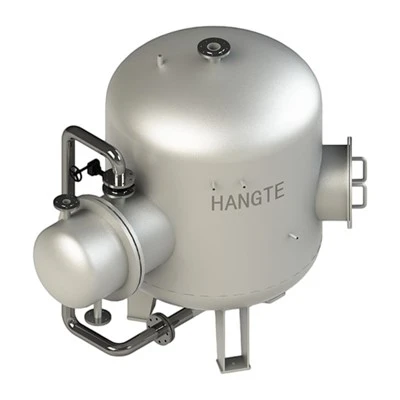
If you own a home or run a small commercial space, you’ve probably never given your expansion tank a second thought — until something goes wrong. As someone who’s been supplying expansion tanks for years, I’ve fielded dozens of panicked calls from folks standing in puddles, staring at a busted water heater, and wondering, “Did that random tank upstairs cause all this damage?” Let’s cut through the confusion: a ruptured expansion tank absolutely can cause water damage — and it’s way more common than you might think. First, let’s break down what an expansion tank even does, because you can’t troubleshoot a problem if you don’t know the part’s job.
Your plumbing system is a closed loop, right? When water gets heated, it expands — that’s basic physics. If there’s nowhere for that extra volume to go, pressure builds up fast. That pressure can blow seals, crack pipes, or wreak havoc on other connected parts of your system, like heat exchange tubes or a return manifold. An expansion tank is basically a pressure relief valve wrapped in a sturdy metal or plastic container: it has an air bladder (or is pre-charged with air) that compresses to take up the extra space when water heats, then pushes that water back into the loop when it cools. It’s the unsung hero keeping your plumbing from turning into a ticking time bomb.
Now, when a tank ruptures, that’s not a tiny leak you can mop up with a paper towel. Most expansion tanks are installed near your water heater, furnace, or other HVAC equipment — so if it bursts, water shoots out fast, often onto floors, ceilings, or inside wall cavities. I’ve seen it happen in two main scenarios: old, corroded tanks and improperly sized or installed tanks. For example, a tank that’s too small can’t handle the pressure spikes from your heat exchanger, so it strains until its bladder fails, leaving no buffer — that’s when the whole tank can split open. Sometimes, DIY installers skip charging the tank correctly, so air seeps into the water line instead of the bladder, turning the expansion tank into a glorified pipe that can’t absorb pressure. I’ve had a customer tell me their “new” tank was only a year old — they found out the installer forgot to charge it, and the constant pressure buildup made the tank rupture, flooding their basement.
Wait, but could a ruptured expansion tank cause damage beyond just the immediate leak? Absolutely. If the water seeps into wall cavities, it doesn’t just stain drywall — it can warp wood framing, grow mold, and even damage structural parts over time. In some cases, the excess pressure from a failed expansion tank can also damage other components of your plumbing system, like an air receiver tank or chemical reactor if you’re in a commercial space, or even your water heater’s heating element. I had a commercial client last year whose expansion tank ruptured, and the extra pressure cracked the supply manifold on their HVAC system — that led to a repair bill that was twice what the expansion tank replacement would’ve cost. That’s why we always tell customers: don’t ignore your expansion tank. A small leak or a weird gurgle from the tank is a warning sign, not just a nuisance.
Let’s talk about how to spot a potential problem before it turns into a rupture. First, check if the tank is hot to the touch — if it’s warm when your system is off, that means water is trapped in it, not being pushed back into the loop, which is a red flag. Next, look for visible signs of damage: rust around the tank’s base, dents, or bulges in the tank’s body. If you press the air valve on top (carefully! Don’t get splashed with hot water), and only water comes out, that means the bladder has failed — the tank is full of water, so it can’t absorb any more pressure. That’s the point where a rupture is probably imminent, not a matter of if, but when. Most expansion tanks have a lifespan of 5-10 years, depending on the quality — that’s another reason to go with a reliable supplier, not a random hardware store part. A cheap tank might last 2 years before corroding, while a proper one from us will hold up for a decade or more.
Now, let’s clear up a common myth: some people think a ruptured expansion tank is the same as a pressure relief valve (PRV) failing. No, they’re two separate parts. The PRV releases water when pressure gets too high, but it’s not designed to be a long-term buffer — that’s the expansion tank’s job. If your PRV is leaking, that’s a different issue, but a ruptured expansion tank is a direct result of that pressure not being managed, so it’s often a sign that your PRV or expansion tank is worn out. I’ve seen homes where the PRV was bad, so the expansion tank took all the stress, then ruptured — the leak was worse because the PRV wasn’t diverting extra pressure.
So, what do you do if you suspect your expansion tank is on the brink of rupturing? First, turn off the water supply to the tank (usually near your water heater) and turn off your heating system — hot water expanding is what’s putting the pressure on. Then, drain the tank completely to relieve any built-up pressure, but don’t try to fix the bladder or tank yourself. Expansion tanks are pressure vessels, so messing with them can lead to a bigger rupture. That’s where a professional plumber comes in, or if you’re in the market for a replacement, reaching out to a trusted supplier like us makes sense. We’ve worked with everyone from homeowners to industrial facilities needing parts like a heat exchange tube, return manifold, air receiver tank, or chemical reactor — we know how to pair the right expansion tank with your system to prevent pressure issues in the first place.
Wait, let’s talk about commercial spaces specifically, because water damage there can be way more costly than a home leak. A restaurant, for example, has a commercial water heater that runs constantly, so its expansion tank is under way more stress than a residential one. If that tank ruptures, it can flood the kitchen, damage food storage areas, and even lead to health code violations. I remember a local café that had a ruptured expansion tank flood their walk-in cooler — they had to throw out $10,000 worth of food, plus repair the floor and electrical. That’s a disaster that could’ve been avoided with a properly sized expansion tank and regular inspections. For commercial clients, we also make sure that the expansion tank is compatible with other system parts, like a supply manifold or heat exchange tube, so the whole pressure loop works together.
Another thing: many people don’t realize that expansion tanks can be installed incorrectly from the start. If a tank is mounted wrong (like too high or too low), the water flow doesn’t work as intended, leading to pressure buildup. Or if it’s installed on a cold water line instead of the hot line — wait, no, let’s get that straight: the expansion tank should be installed on the cold water side of your water heater, right before it mixes with the hot water. Installing it on the hot side means it’s exposed to more heat, which breaks down the bladder faster, leading to a ruptured tank. I’ve had customers who did that, and their tank failed within 3 years instead of 8 — that’s a simple installation mistake that leads to water damage.


Now, let’s address why working with a reputable expansion tank supplier matters here. Some companies sell generic tanks that aren’t rated for your system’s pressure, so they’re more likely to rupture. We test all our expansion tanks to handle standard residential and commercial pressure levels, and we can help you calculate the right size for your space — too small, and pressure builds; too big, and you’re wasting money. We also carry complementary parts for your system, so if your expansion tank is failing, we can make sure your heat exchange tube, return manifold, or air receiver tank is in good shape too, to prevent future issues.
What about if a rupture has already happened? First, shut off your main water valve immediately — that’s the fastest way to stop the leak. Then, call a plumber to assess the damage: they’ll need to dry the affected areas, check for mold, and fix the broken tank and any damaged pipes. You might need to replace drywall, flooring, or even electrical if water got into outlets. If you have commercial insurance, make sure to document everything with photos and a professional inspection — but again, this is all avoidable with regular expansion tank maintenance.
So, how often should you check your expansion tank? For residential spaces, once a year, before the heating season starts. For commercial spaces, every 6 months. When you check, look for: rust, bulges, leaks, or water coming out of the air valve. If you notice any of those, don’t wait — replace the tank before it ruptures. We always tell our customers: an expansion tank is a small investment that prevents a huge headache (and huge water damage bill) down the line.
At the end of the day, a ruptured expansion tank isn’t just a “minor plumbing issue” — it’s a leading cause of avoidable water damage in homes and commercial properties. The good news is that it’s easy to prevent with regular checks, proper installation, and a quality tank from a supplier you can trust. If you’re noticing signs of a failing expansion tank, or you need a replacement for your home or commercial system, reach out to us to chat through your needs. We can help you pick the right tank, make sure it’s compatible with your other parts like a heat exchange tube, return manifold, or supply manifold, and answer any questions you have to keep your plumbing system running smoothly.
References
- Plumbing-Heating-Cooling Contractors Association. (2021). Expansion Tank Installation and Maintenance Guidelines. National Association of Plumbing-Heating-Cooling Contractors.
- American Society of Mechanical Engineers. (2020). Pressure Vessel Standards for Expansion Tanks. ASME International.
- Environmental Protection Agency. (2019). Reducing Water Damage Risks in Residential Plumbing Systems. U.S. EPA Water Efficiency Program.