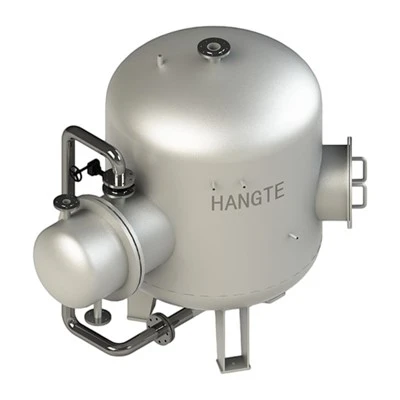
Hey folks, if you’re in the market for industrial heat exchangers, you’ve probably stumbled on terms like “bellows tube instantaneous heat exchangers” (that’s what we specialize in, fyi) and wondered: do these things actually need regular checks? I get it—no one wants to schedule downtime for equipment that’s supposed to run smooth, but ignoring inspections here can turn a minor issue into a costly headache. Let’s break this down, from what makes our bellows tube exchangers different to why skipping checks is a bad call, plus how to do it right.
First, let’s start with basics: what’s a bellows tube heat exchanger, anyway? Unlike older units that use rigid tubes (which can crack or leak from thermal stress), our exchangers have corrugated bellows tubes that flex as hot and cold fluid cycles through. That flexibility reduces fatigue, but it’s not invulnerable. Even the toughest parts wear down over time, especially in high-demand settings like food processing, HVAC, or chemical plants where we see most of our units go.
You might be comparing our product to other common types—like the Horizontal Storage Type Heat Exchanger that’s great for larger, bulk storage needs, or the Plate-shell Storage Type Heat Exchanger which is more compact for tight spaces. For instantaneous (non-storage) needs, folks often look at the Floating Coil Instantaneous Heat Exchanger, but bellows tube models hold their own because they handle rapid temperature spikes way better. But no matter which type you pick, all heat exchangers share a silent enemy: gradual degradation. That’s where regular inspections come in.
Wait, I know what some of you are thinking: “I had a heat exchanger running for 10 years without a check!” Cool, but that’s the exception, not the rule. Let’s talk about the stuff that creeps up even on good bellows tubes. For starters, fouling—buildup of minerals, dirt, or process residue on the inside of the tubes. Our tubes’ corrugations are actually designed to reduce fouling, but over months, even the best design can let gunk accumulate. When fouling builds, it acts like insulation: your hot fluid has to work harder to transfer heat, so you’re wasting energy and seeing higher utility bills. We’ve had customers who skipped checks for 2 years and found fouling that cut their heat transfer efficiency by 25%—that’s not chump change.
Then there’s thermal fatigue. Yeah, bellows flex, but constant, extreme temperature swings (like going from 100°F to 400°F multiple times a day) can make the bellows corrugations wear thin, or even develop small cracks. These cracks might be invisible to the naked eye at first, but they can turn into leaks. One of our clients in the beverage industry almost had a shutdown because a cracked bellows tube leaked cleaning fluid into their product line—cost them thousands in wasted inventory and lost production time. An inspection would’ve caught that tiny crack before it became a disaster.


Corrosion’s another big one. Even if your process fluid is chemically mild, over time, it can eat away at the bellows’ metal (we use high-grade stainless steel for our units, but nothing is 100% corrosion-proof). Inspections let you spot pitting or thinning on the tube walls early, before a leak happens. If you’re using an exchanger in a more corrosive environment (like wastewater treatment or chemical processing), inspections are even more non-negotiable—we recommend twice a year there, not just once.
Now, let’s clear up a common myth: some people think instantaneous heat exchangers (like our bellows tube models) don’t need checks because they don’t store fluid. But storage-type units, like the Vertical Half Storage Type Heat Exchanger, might seem more high-maintenance because they hold fluid, but instantaneous units have their own unique wear points. The constant flow and flex of the bellows mean tiny stress points develop faster than people realize. Inspections aren’t just for storage—they’re for any unit that moves fluid and transfers heat.
So what does a good inspection actually entail? It’s not just “looking at the outside.” A thorough check includes: checking for external leaks or corrosion on the shell and tube connections, measuring the thickness of the bellows walls with ultrasonic testing (to catch thinning from corrosion), looking for fouling with a visual camera (we use these on every service call we do), and testing the pressure of the unit to make sure there’s no internal cross-contamination between hot and cold fluids. For our bellows tube units, we also check the flex joints to make sure they’re still aligned right—misalignment can add extra stress to the tubes and speed up wear.
How often should you do these checks? It depends on your application. For light use (like a small office HVAC system), once a year is enough. For medium-demand (like a restaurant’s dishwashing water heater), every 6 months. For heavy industrial use (chemical plants, large food processing lines), we suggest every 3–4 months. If you notice any red flags—unusual noise from the unit, a sudden spike in energy bills, or visible leaks—don’t wait for your scheduled check; call a technician right away.
Wait, let’s circle back to our products. We’re the Bellows Tube Instantaneous Heat Exchanger supplier, so we’ve seen firsthand what happens when inspections are skipped. But here’s the good news: inspections don’t have to be a huge hassle. A qualified technician can usually do a check in a few hours, and it’s way cheaper than repairing a broken unit or dealing with a shutdown. Plus, when you work with us, we offer inspection services tailored to our bellows tube units, so we know exactly what to look for.
If you’re still on the fence about whether your heat exchanger needs inspections, think of it like your car: you don’t wait for the engine to blow up before changing the oil, right? Your heat exchanger is the same—regular small checks prevent big, expensive problems. And if you’re in the market for a new unit, whether it’s an instantaneous model or a storage one like the Bellows Tube Half Storage Type Heat Exchanger, we can help you pick the right type for your needs, plus talk through inspection schedules that fit your workflow.
At the end of the day, no heat exchanger lasts forever, but regular inspections can extend its life by years, keep your energy costs low, and prevent costly downtime. Don’t let a small issue turn into a catastrophe. If you’re ready to chat about your current heat exchanger’s maintenance, or want to learn more about our bellows tube units, reach out to us to start a conversation about your needs.
References
- American Society of Mechanical Engineers (ASME). "2023 Boiler and Pressure Vessel Code: Section VIII – Heat Exchanger Inspection Requirements." ASME International, 2023.
- International Energy Agency (IEA). "Industrial Heat Exchanger Efficiency: Reducing Energy Waste Through Regular Maintenance." IEA, 2022.
- National Fire Protection Association (NFPA). "NFPA 85: Boiler and Heat Exchanger Safety Standards." NFPA, 2021.
- Food and Drug Administration (FDA). "Process Equipment Maintenance Guidelines for Food and Beverage Facilities." FDA, 2022.