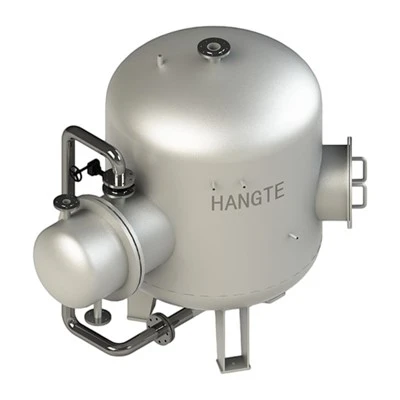
If you’re a homeowner, plumber, or even a small building manager, you’ve probably heard the term “indirect vertical hot water storage tank” thrown around, but you might not have a clear answer to, “What is it actually used for?” I’ve been selling these tanks for years, and let’s be real—most people just think “hot water tank” is one big thing. But indirect vertical units solve a ton of problems that regular direct tanks don’t, and knowing that can save you a lot of hassle (and money) down the line.
First, let’s break down the basics so you’re not lost. A direct hot water tank heats water right inside the tank—there’s a burner or heating element submerged, so it touches every drop of water stored. An indirect tank, though, doesn’t heat water directly. Instead, it uses a separate loop of fluid (usually water with a little antifreeze for colder climates) that runs through a coil inside the tank. That loop is heated by another source—think a boiler, solar thermal system, or even a heat pump. The tank’s job is just to hold that pre-heated water until you need it. And vertical means it stands up straight, not laying flat like a horizontal model. If you’re curious about the layout specifics, you can check out our page for the exact specs on our Vertical Domestic Hot Water Storage Tank to see how that vertical design works.
Now, what’s the main use case? Let’s start with the big one: pairing with a boiler for consistent hot water. A lot of older homes have a hydronic boiler that heats the house, but it doesn’t have a way to store hot water for taps and showers. If you just run the boiler every time someone turns on the hot water, it’s constantly firing up, which wastes energy and wears the boiler out fast. The indirect vertical tank acts like a buffer—when the boiler is already running (like in the morning when you’re heating the house), it heats the loop fluid, which heats the water in the tank. Then you can draw from that stored water all day without the boiler having to turn on every five minutes. I’ve seen this cut boiler energy use by 20-30% for families that go through a lot of hot water. That’s not just a number—those lower utility bills add up, especially in the winter.
Next up, solar thermal systems. If you have rooftop solar panels that heat water instead of electricity, an indirect vertical tank is perfect for this. Solar thermal systems produce heat during the day, but you can’t use that heat the second it’s made if you’re at work or out running errands. The coil in the tank lets the solar loop heat the stored water, so you have hot water at night when the sun’s gone. The vertical design here is a big win too—solar water heater setups often need tanks that can fit on a roof or in a small utility room, and vertical models take up less floor space than horizontal ones. If you’re comparing layouts, our Horizontal Domestic Hot Water Storage Tank is great for larger spaces, but for solar, vertical is usually the way to go.
Another key use: high-demand applications. Think about a small apartment building, a gym with showers, or a café that uses hot water for dishes and drinks. A regular direct tank might struggle here—if you have multiple people showering at the same time, or a dishwasher running and a coffee maker brewing, the water can go cold fast. The indirect vertical tank is sized to hold enough water for peak demand, and because it’s heated by a separate boiler or heat source, it can recover faster than a direct tank. I had a café client last year who was going through 50+ gallons of hot water an hour during breakfast rushes. Their old direct tank would run out mid-morning, making customers wait. Swapping to an indirect vertical tank fixed that—they haven’t had a cold dish or a delayed coffee since. That’s the kind of problem we see all the time, and it’s exactly what these tanks are built to solve.
Wait, let’s talk about corrosion too. Direct tanks have the heating element right in the water, so over time, minerals in the water can build up on the element, shorten its life, and cause rust inside the tank. With an indirect tank, the heating loop never touches the domestic hot water. So the water you use for taps is cleaner, and there’s less wear and tear on the tank itself. That’s a huge plus for anyone with hard water, which is super common in a lot of parts of the country. I’ve had customers say their indirect tanks last 10-15 years longer than their old direct ones, just because there’s no heating element in the water to cause buildup. That’s less money spent on replacements, which people love.
But it’s not just for big buildings or solar setups. Even a single-family home can benefit if they have a whole-house heat pump. Heat pumps are great for heating and cooling, but they don’t always produce enough hot water on their own, especially in colder weather. An indirect vertical tank lets the heat pump pre-heat the loop, and the tank stores that water so the heat pump doesn’t have to work overtime. Plus, heat pumps are more efficient than electric water heaters, so pairing them with an indirect tank is a double win for energy savings. A lot of people don’t realize that—they think “heat pump = no need for a storage tank,” but it’s actually the opposite when you want reliable hot water.
Now, let’s clear up a common misconception. Some people think indirect tanks are just for off-grid or alternative energy setups, but that’s not true. Even if you have a standard gas boiler, adding an indirect vertical tank can make your system way more efficient. Let’s say your boiler runs on an on/off cycle to heat the house. When it’s heating the house, the extra heat can go into the tank instead of being wasted up the chimney. That’s called “waste heat recovery,” and it’s a big reason why these tanks are so popular now. I installed one for a customer with a gas boiler last year, and his gas bill dropped by almost $100 a month. That’s a huge difference for a regular home.
What about installation? I know a lot of plumbers worry about space, and vertical tanks are perfect here. Most utility rooms are narrow, so standing a tank up instead of laying it flat means you don’t have to move your furnace or water lines around as much. The coil inside is easy to connect to your existing boiler loop, and the vertical design has better hot water flow too—because the water inside stratifies (hot water rises to the top, cold stays at the bottom), so you’re always drawing the hottest water first. With a horizontal tank, stratification isn’t as good, so you might get a mix of hot and cold water when you need it most. That stratification is a built-in feature, and it’s why these tanks work so well for high-demand situations.


Let’s talk about maintenance too, because no one wants a tank that’s a hassle to upkeep. For indirect vertical tanks, you only really need to flush the tank once a year and check the coil for leaks—same as any other storage tank, but without having to service the submerged heating element. That’s less time plumbers need to spend, which means lower maintenance costs for you. I’ve had customers tell me they forget their tank is even there half the time, because it’s just sitting in the utility room storing hot water, no loud burners or elements going off all the time. That’s a big plus for anyone who doesn’t want a noisy system in their home.
Wait, should I mention when you might not need one? Just to be honest—if you’re a small home with low hot water demand, and you don’t have a boiler or solar system, a regular direct tank might be cheaper upfront. But even then, if you’re planning to upgrade to a heat pump or add solar in the future, an indirect vertical tank is a great investment that will work with those systems. It’s not a one-size-fits-all, but for most people who want reliable, efficient hot water, it’s worth the extra cost.
At the end of the day, the indirect vertical hot water storage tank’s main jobs are to make your hot water system more efficient, more reliable, and longer-lasting. It solves problems like wasted energy from constant boiler cycles, running out of hot water during peak use, and corrosion from submerged heating elements. Whether you’re a homeowner looking to cut utility bills, a plumber needing a solution for a tough installation, or a building manager handling a high-demand space, this tank is a workhorse.
If you’re ready to learn more about how our tanks fit your setup, or want to talk sizing and pricing for your project, reach out to our team to connect with our sales and support experts. We’re here to help you find the right solution for your hot water needs, no matter how big or small.
References:
- Department of Energy. (2022). Residential Water Heating Efficiency. Office of Energy Efficiency & Renewable Energy.
- International Association of Plumbing and Mechanical Officials. (2021). Hydronic System Design Guide for Hot Water Storage Tanks.
- Solar Thermal Industries Association. (2020). Best Practices for Pairing Solar Water Heaters with Indirect Storage Tanks.
- Consumer Reports. (2023). Hot Water Tank Buying Guide: Efficiency, Durability, and Cost.